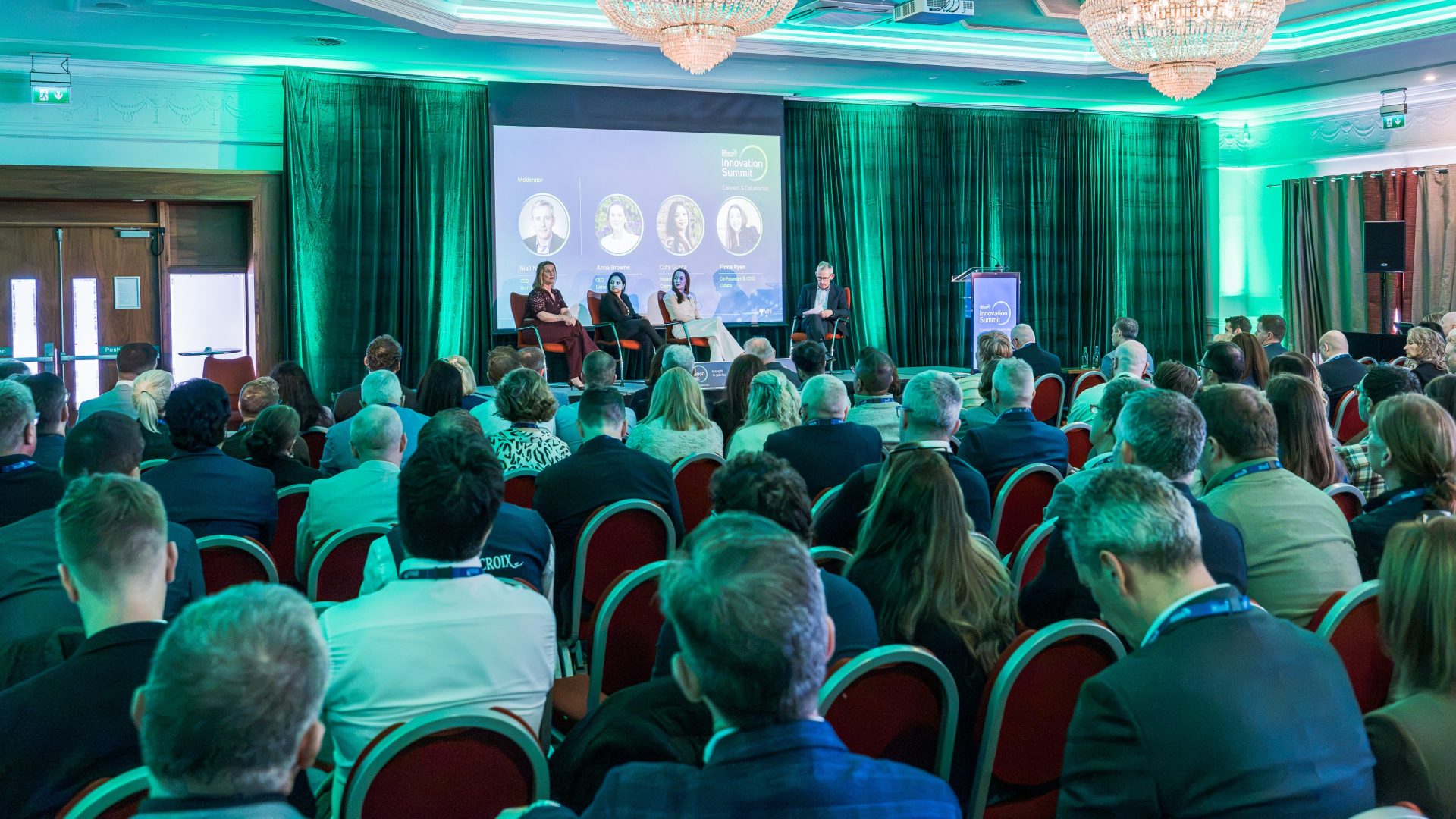


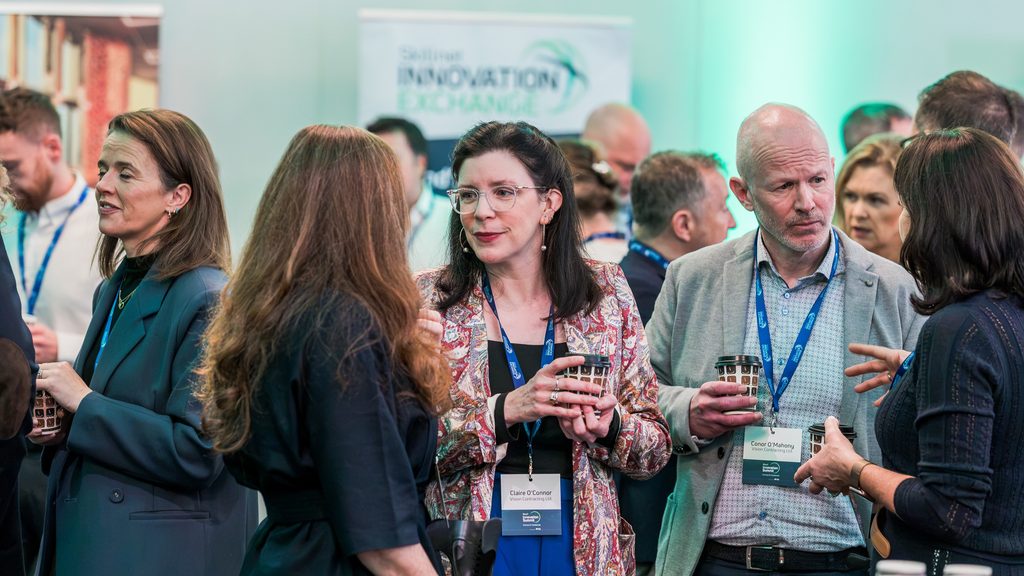
More than 200 business leaders, innovators, investors and entrepreneurs gathered in Cork for the second annual Innovation Summit to explore what it takes to keep Irish businesses competitive, translate technology into tangible results and turn opportunities into sustainable growth.
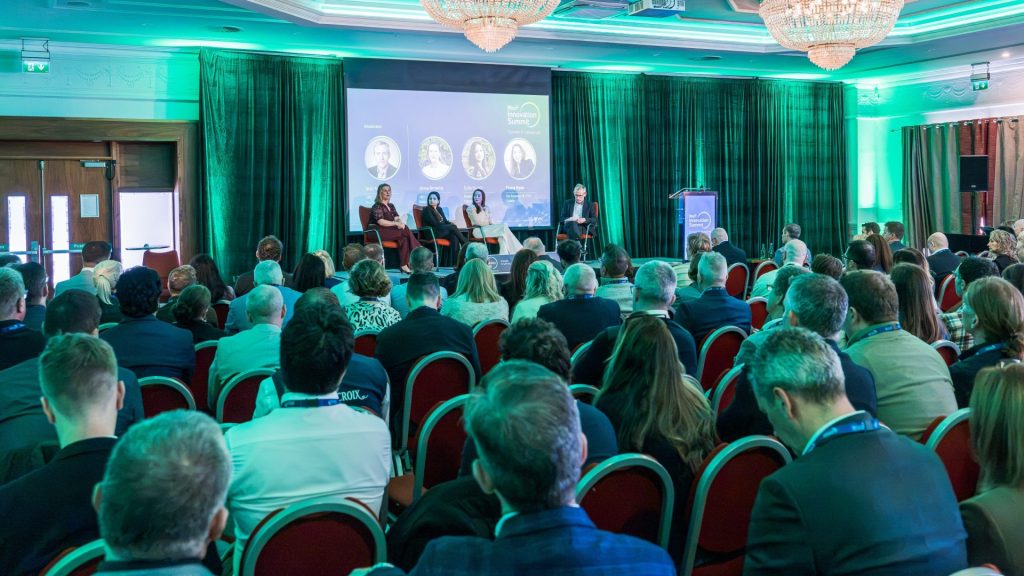
Held at the Clayton Hotel Silver Springs on 9 October, the Innovation Summit 2026 brought together perspectives from across business, technology, investment and enterprise to address a shared challenge: how can Irish businesses turn innovation into measurable business value?
Across a packed morning of discussion, presentations and conversations, a clear message emerged. Innovation is not simply about adopting new technology or generating ideas. It is about bringing the right people and partners together to deliver results, identifying the right opportunities, making informed decisions and developing the capabilities to act
Strengthening Ireland’s competitiveness
The Summit opened with a look at Ireland’s position in an increasingly competitive European and global economy, setting the context for the discussions that followed.
Ireland has an opportunity to strengthen its position in a more competitive Europe. Realising that opportunity will require businesses to continue embracing innovation, continue building capabilities and translating the potential of emerging technologies into tangible economic and business results.
For individual businesses, competitiveness is increasingly linked to how effectively they respond to changing customer expectations, improve efficiency, develop new products and services, and nurture new market opportunities.
Technology is an important part of that equation, but it is not a strategy in itself. Businesses need to be clear about the problems they are trying to solve, where technology can make a measurable difference and how success will be evaluated.
AI: From potential to practical application
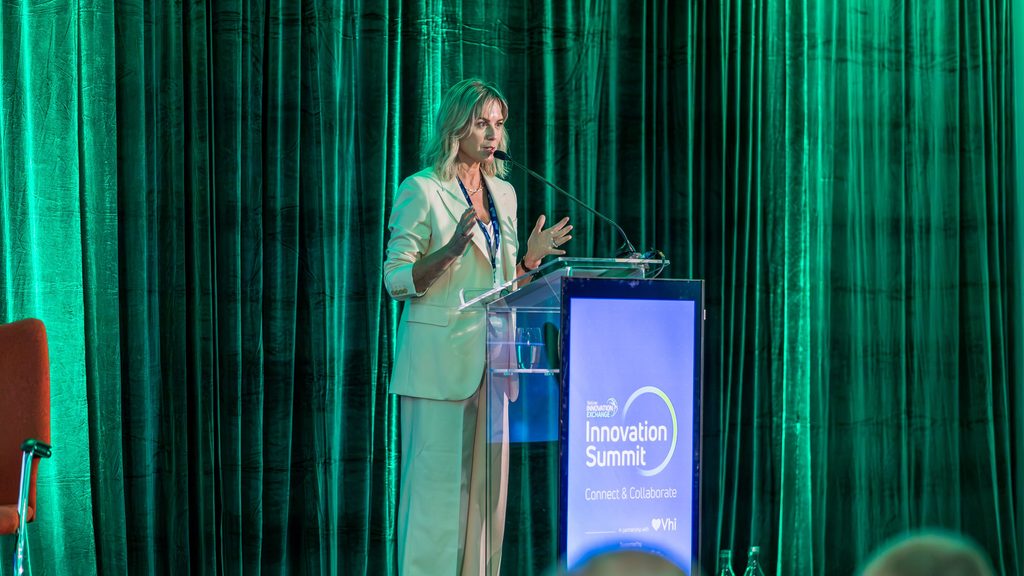
Artificial intelligence featured prominently throughout the Summit, reflecting both the scale of the opportunity and the questions businesses are grappling with as adoption accelerates.
AI offers opportunities to improve efficiency, enhance decision-making, make knowledge more accessible and rethink how work gets done. However, realising those benefits requires more than experimenting with tools or introducing technology because it is available.
Businesses need to start with a clear understanding of their objectives. What is the business challenge? What capability is required? Where can AI improve an existing process or create something genuinely better? And how will the impact be measured?
The discussions also highlighted the importance of understanding AI from the outside in. Businesses need to consider how customers discover, assess and compare their products and services in an increasingly AI-enabled world. Having a strong offering is no longer the whole story; organisations must also ensure that their capabilities and value are clearly communicated and understood.
At the same time, effective adoption depends on having the right foundations in place. Data, governance, security and appropriate guardrails are essential to ensuring that AI is used responsibly and delivers meaningful value.
The opportunity lies in applying AI to real business needs, improving the way organisations operate and enabling people to focus their expertise where it makes the greatest difference.
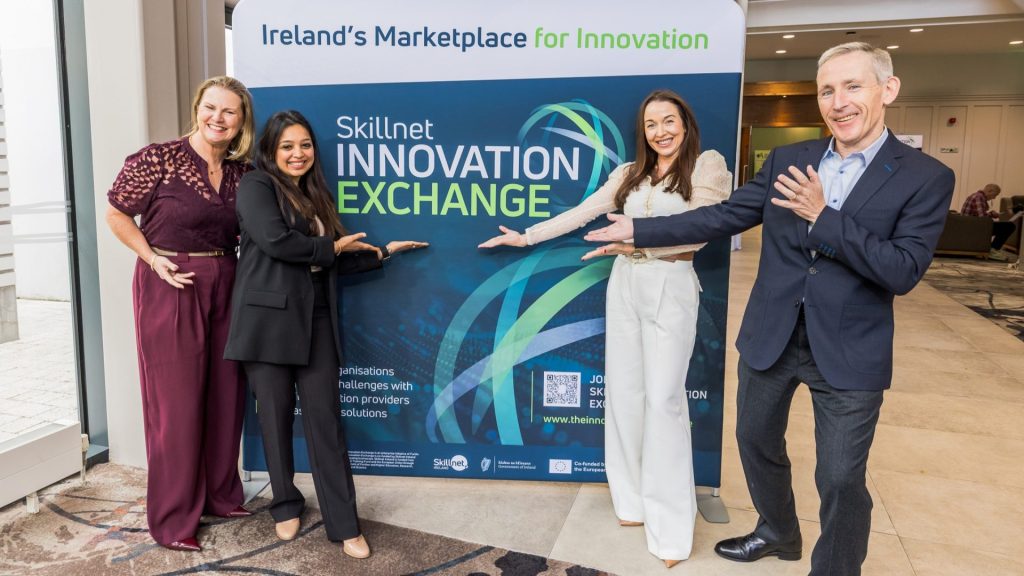
Technology alone does not transform a business — people do
While technology was a recurring theme, the Summit reinforced the importance of the people who turn it into results.
Successful innovation requires leadership, collaboration and a willingness to challenge established ways of working. It also requires businesses to bring employees with them, develop the necessary skills and create an environment in which new ideas can be tested and implemented.
Technology can accelerate processes and make new capabilities possible, but people determine how those capabilities are applied, how teams work together and whether the changes deliver the intended outcomes.
Leadership plays a particularly important role. Setting a clear direction, building the right team, understanding the customer and maintaining focus on the business objective are all critical to translating an idea into a successful product, service or business improvement.
The conversations throughout the Summit highlighted the importance of combining ambition with execution: understanding the market, getting the proposition right, listening to customers and building the expertise needed to deliver.
As businesses navigate rapid technological change, developing people and capabilities is just as important as investing in technology.
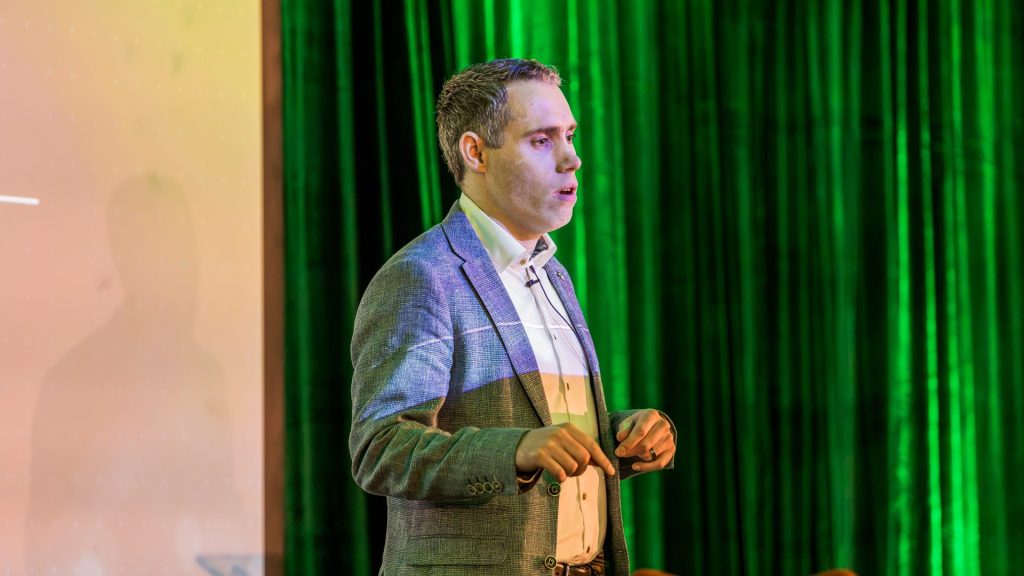
Turning ideas into growth
Innovation can take many forms, from improving an existing process to developing a new product, entering a new market or rethinking a business model.
What matters is the ability to move from an opportunity to an outcome.
That means asking the right questions at the outset. What customer need are we addressing? What evidence supports the opportunity? What resources and capabilities will we need? What needs to happen to move from concept to implementation?
The Summit explored the importance of connecting innovation to commercial objectives and measurable results. Progress depends on understanding the market, testing assumptions, learning from customers and making informed decisions about where to focus time and resources.
It also requires a willingness to adapt. Not every idea will succeed in its original form, and not every new technology will be the right solution. This is where collaboration plays a role. Businesses that remain focused on the problem they are trying to solve are better positioned to identify opportunities and partnerships, respond to feedback and direct investment where it can have the greatest impact.
Innovation is therefore not a single event or a one-off technology project. It is an ongoing process of learning, adapting and improving.
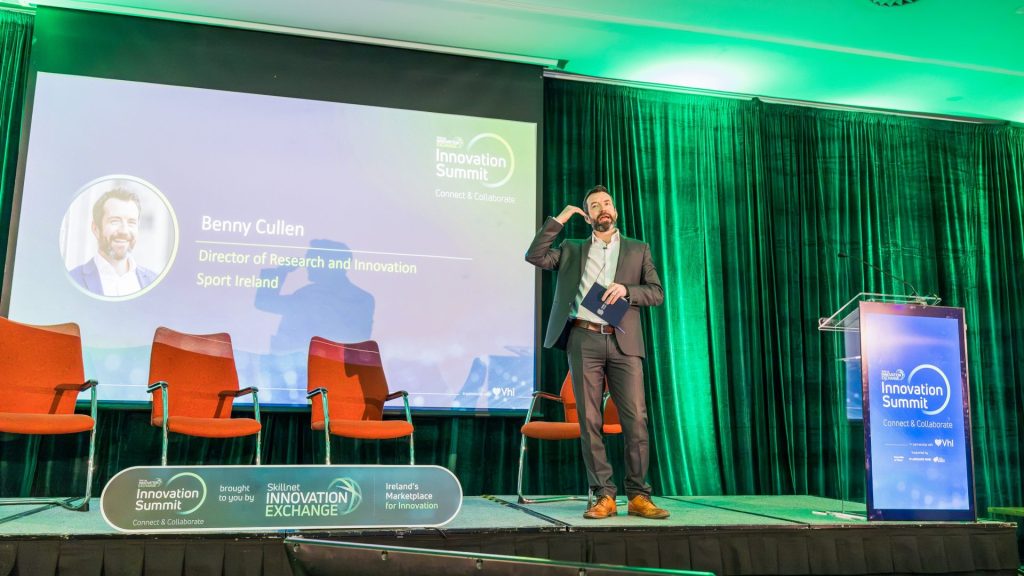
Investment, ambition and the path to scale
Access to investment and the ability to deploy capital effectively were also important themes, particularly in the context of growing innovative businesses.
Ireland has developed a stronger early-stage investment environment, creating opportunities for ambitious businesses to secure the support they need to get started. However, scaling beyond the early stages presents a different set of challenges, including access to later-stage capital and international markets.
Successful investment depends on more than the availability of funding. Founders need to demonstrate a clear market opportunity, a compelling proposition, evidence of customer demand and the ability to use capital effectively.
Building a business that can scale requires discipline as well as ambition. Getting the product right, finding paying customers, understanding the market and establishing the right foundations can be critical steps before pursuing rapid expansion.
The wider challenge is to ensure that promising businesses can access the capital, expertise and networks they need to grow, compete internationally and contribute to Ireland’s future economic development.
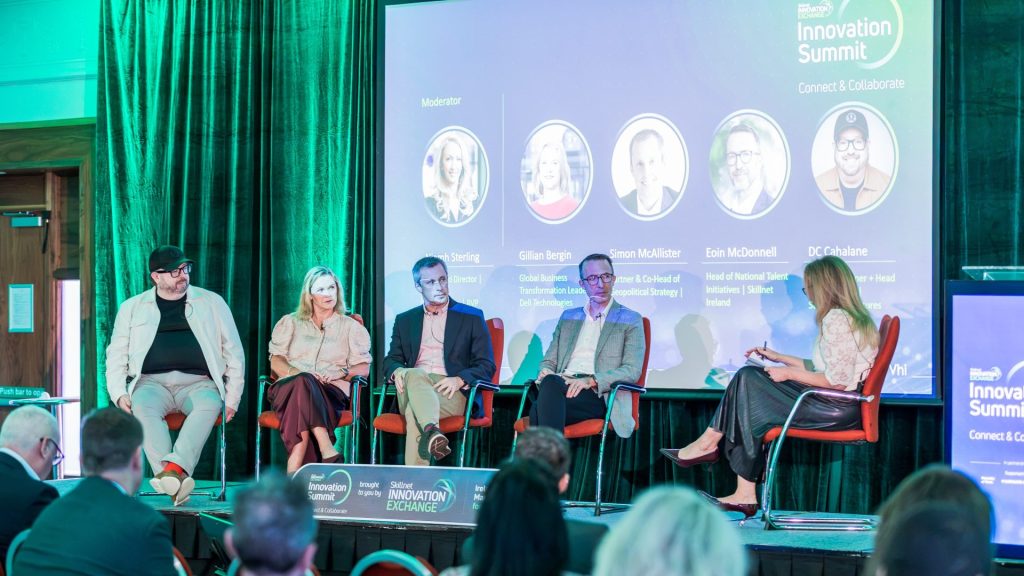
Collaboration is a catalyst for innovation
One of the Summit’s underlying messages was that innovation rarely happens in isolation.
Businesses do not always have all the skills, knowledge or resources they need in-house. External expertise, technology providers, research, industry networks and strategic partnerships can help organisations identify opportunities, access new capabilities and accelerate progress.
For established businesses, working with external solution providers can offer a practical way to address challenges without having to develop every capability internally. For innovative SMEs, collaboration with larger organisations can create opportunities to test solutions, secure customers and demonstrate their value in real business environments.
Making these connections work requires a shared understanding of the challenge, clarity about the desired outcome and a focus on delivering value for everyone involved.
This is particularly important as businesses explore new technologies and respond to increasingly complex commercial and sustainability challenges. Bringing different perspectives together can open up new approaches that might not emerge within an organisation working alone.
Creating the conditions for those connections to happen is an important part of building a more innovative and competitive economy.
From conversation to action
The Innovation Summit 2026 brought these themes together around a practical question: how do we turn innovation into real business value?
The answer is not a single technology, investment or initiative. It requires businesses to understand their challenges and opportunities, make informed decisions, invest in the right capabilities and bring people together to implement change.
AI and other emerging technologies are creating new possibilities, but their impact will depend on how effectively businesses apply them. Investment can support ambition, but sustainable growth requires strong propositions, market understanding and disciplined execution. Partnerships can unlock expertise and accelerate progress, but success depends on a shared focus on outcomes.
For Ireland, the opportunity is to build on its strengths, strengthen the connections between businesses and innovators, and create the conditions in which ideas can be translated into commercial success.
The conversations in Cork reinforced an important principle: innovation doesn’t happen in isolation. It takes the right people, partners, expertise, investment and enabling environment to turn opportunity into impact.
That is the challenge — and the opportunity — for Irish businesses looking to compete, grow and thrive in an increasingly technology-driven economy.
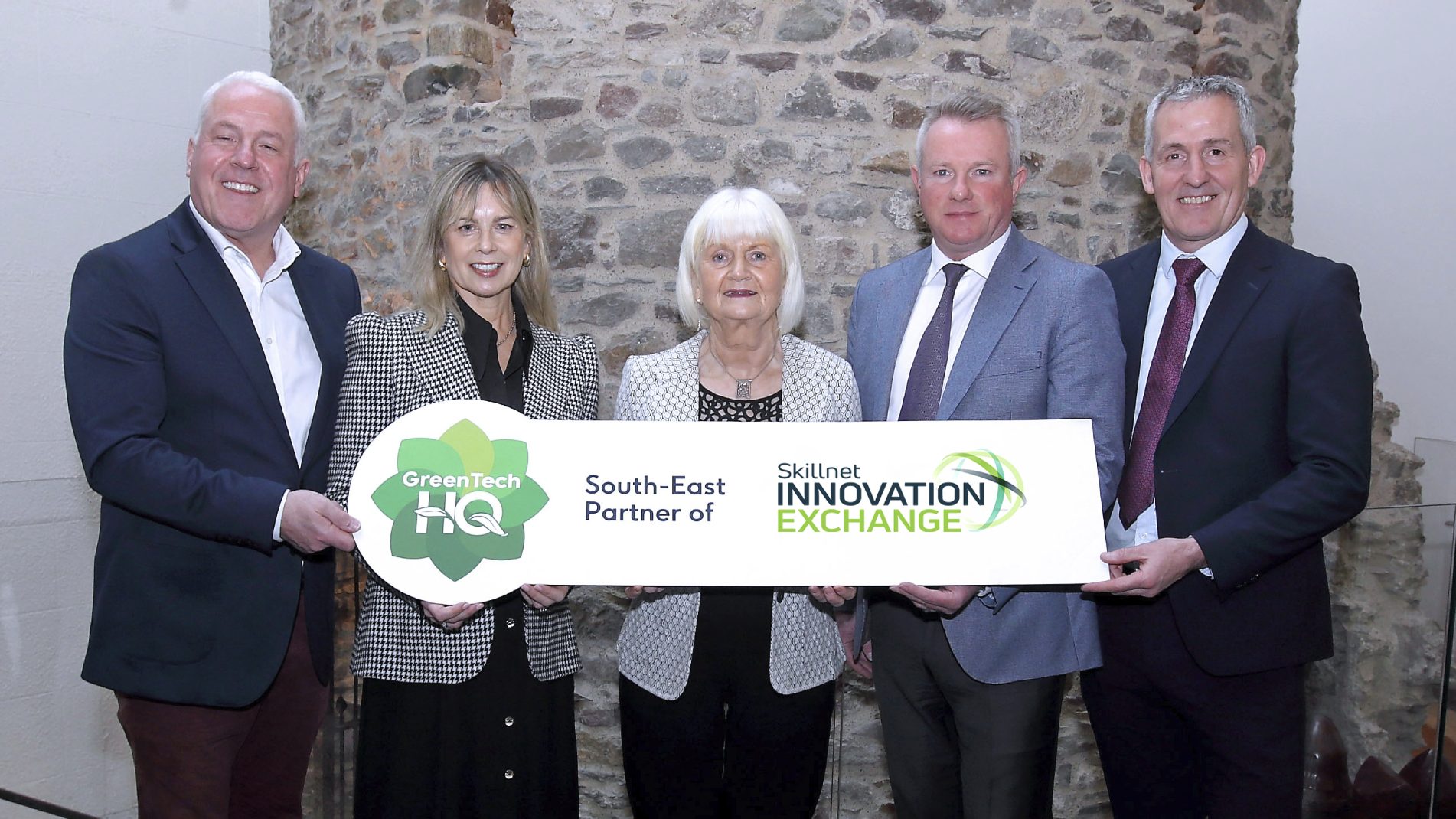
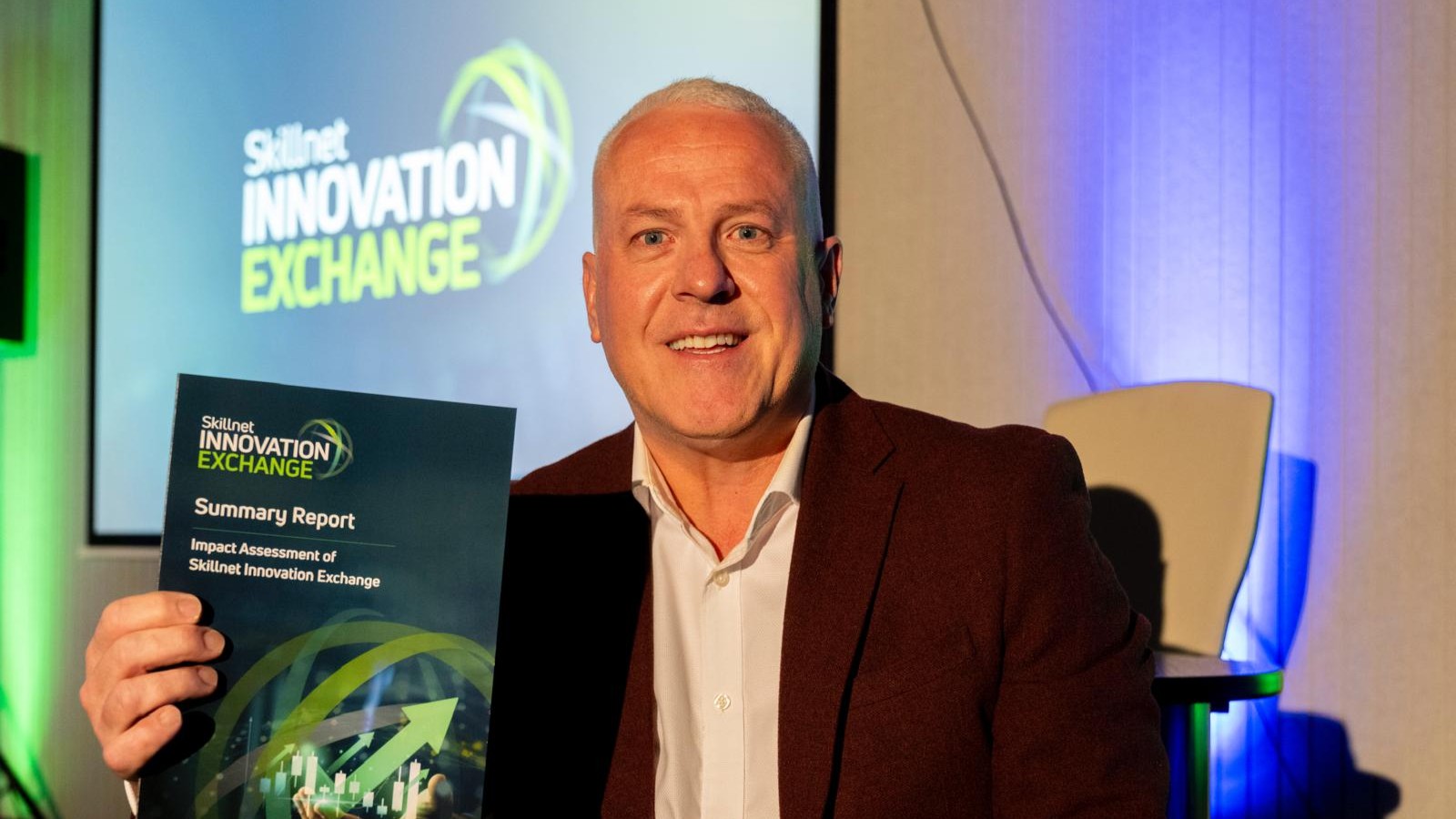
The Innovation Summit is part of Skillnet Innovation Exchange’s ongoing work to connect Irish businesses with digital solution providers, support the adoption of new technologies and help organisations turn innovation opportunities into practical business outcomes.